

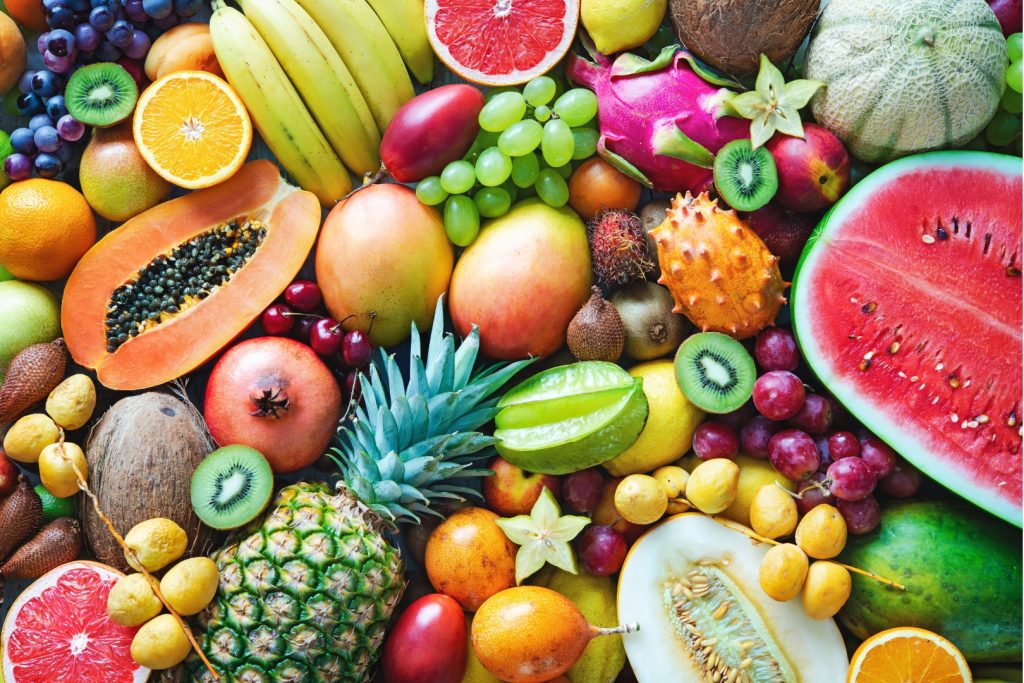
While the idea of scattering seeds to "let nature do the rest" sounds like a beautiful way to regreen the earth, it is a practice that requires more care than it might seem. Many popular fruits like apples, pears, and citrus are not native to most regions, and introducing them into the wild can unintentionally disrupt local ecosystems by outcompeting native plants for water and light.
If you want to try this effectively, follow these mindful steps to ensure your seeds have a real chance without causing harm:
Choose native species whenever possible to support local pollinators and wildlife. Commercial fruits from grocery stores are often hybrids that may not produce edible fruit or may grow into trees that are highly susceptible to local diseases.
Before scattering, wash off any remaining fruit pulp and dry the seeds completely to prevent rot. Some seeds, like those for plums or peaches, may even need a cold period in your fridge to "wake up" before they are ready to sprout.
Instead of just tossing them out of a car window, look for "suitable places" where there is exposed soil and regular moisture, such as the edge of a garden or a managed green space. Avoid throwing seeds on private property or in areas where regular mowing will destroy young saplings before they can grow